The Plumbing Repair Crisis: Why Skilled Plumbers Are in Short Supply and How Industry Training Programs Are Making a Difference
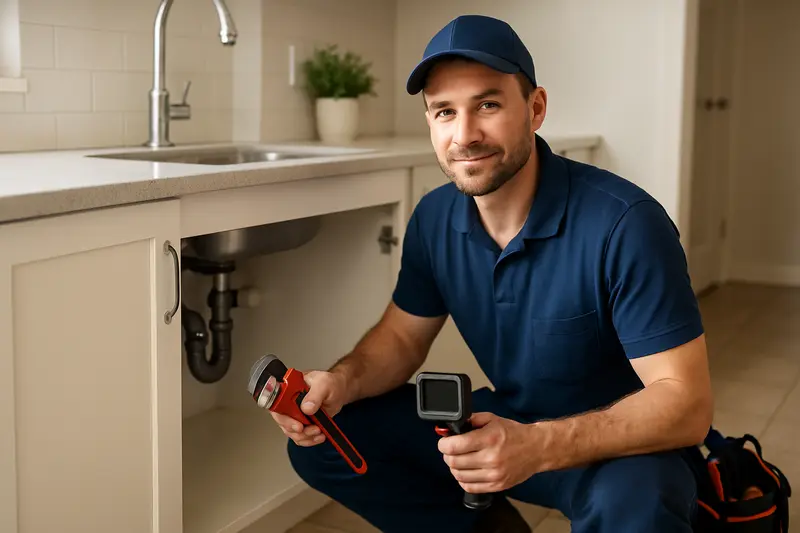
Many homeowners face challenges with plumbing repair due to a notable shortage of skilled plumbers. This gap affects timely service, quality work, and overall satisfaction. In response, industry training programs are stepping up to bridge the skill gap, ensuring qualified professionals are available to tackle plumbing issues efficiently. Understanding these developments can help you navigate your plumbing needs more confidently and find trusted services when emergencies strike or routine maintenance is needed.
The Causes Behind the Skilled Plumber Shortage and Its Impact on Plumbing Repair
The current shortage of skilled plumbers stems from multiple interconnected factors that have created a significant challenge for homeowners seeking reliable plumbing repair services. One primary reason is the aging workforce within the industry. Many experienced plumbers are approaching retirement age, and there has been insufficient recruitment of younger talent to replace them. This demographic shift results in a shrinking pool of seasoned professionals capable of handling complex repairs and installations.
Adding to the problem is the lack of new entrants into the plumbing trade. Historically, the profession has struggled to attract younger workers due to perceptions of physically demanding work, relatively lower wages compared to other trades, and limited awareness of the career opportunities available. As a result, apprenticeship programs and vocational training have not kept pace with industry demand, leading to a persistent talent gap.
Technological advancements in plumbing have further complicated the landscape. Modern plumbing systems incorporate sophisticated technologies such as smart water management, leak detection sensors, and energy-efficient fixtures. While these innovations improve service quality and efficiency, they also require plumbers to possess specialized skills and knowledge. Many current workers have not received adequate training in these new technologies, exacerbating the shortage of qualified professionals capable of handling advanced repairs.
This scarcity of skilled plumbers directly impacts homeowners in several ways. Delays in service are common, especially during peak seasons or emergencies, as fewer qualified technicians are available to respond promptly. These delays can lead to increased inconvenience and, in some cases, further property damage if issues like leaks or clogs are not addressed swiftly. Additionally, the limited supply of skilled labor drives up labor costs, making plumbing repairs more expensive for homeowners.
Quality concerns also arise when less experienced or unqualified workers attempt to perform complex repairs. Inadequate repairs can result in recurring problems, higher long-term costs, and potential safety hazards. Industry experts warn that the shortage could worsen if proactive measures are not taken to attract new talent and adapt training programs to modern technological demands.
Statistics underscore the urgency of this crisis. According to industry reports, the demand for plumbers is expected to grow by over 15% in the next decade, yet the number of new apprenticeships has declined by nearly 20% in recent years. This disconnect highlights the pressing need for comprehensive solutions to ensure homeowners receive dependable, high-quality plumbing services now and in the future.
How Industry Training Programs Are Filling the Gap and Improving Plumbing Repair

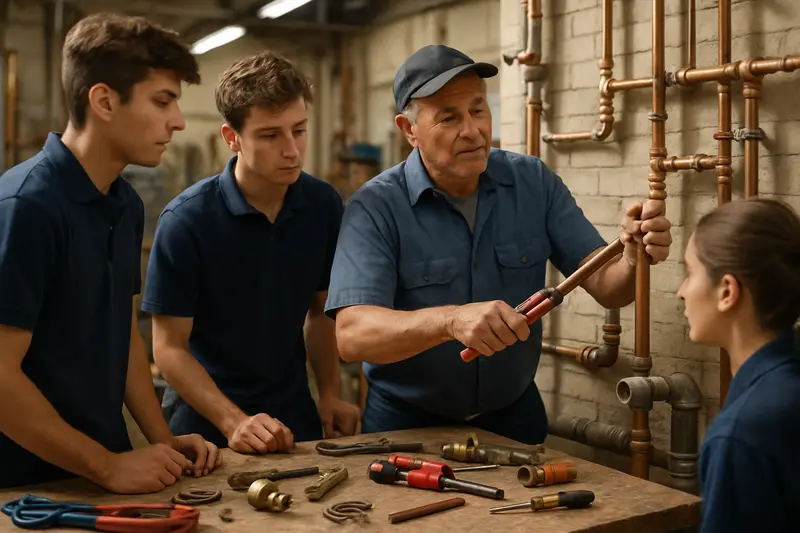
To address the growing skilled plumber shortage, industry training programs have become vital in cultivating a new generation of competent professionals. These initiatives focus on providing comprehensive education, hands-on experience, and recognized certifications that elevate the standards of plumbing services. Many community colleges have expanded their plumbing curricula, offering specialized courses that combine classroom learning with practical apprenticeships. These programs not only equip students with essential technical skills but also instill a strong understanding of safety protocols and modern plumbing technologies.
Apprenticeship programs play a crucial role by pairing aspiring plumbers with experienced mentors. This mentorship model allows trainees to gain real-world experience while earning income, accelerating their readiness to serve homeowners effectively. Such apprenticeships often include structured milestones, ensuring that new plumbers develop a well-rounded skill set before entering the workforce independently.
Government-supported solutions have also been instrumental in bridging the skills gap. Federal and state initiatives provide funding and incentives for training programs, making it more accessible for individuals to pursue careers in plumbing. These programs often target underrepresented communities, promoting diversity within the industry and expanding the pool of qualified professionals.
Success stories from these initiatives highlight their impact. For example, a local community college partnered with several plumbing businesses to create a tailored apprenticeship program. Within two years, participants successfully completed their certifications and began working in the field, significantly reducing wait times for homeowners needing urgent repairs. Such collaborations demonstrate how industry and education sectors can work together to meet demand.
Partnerships with local businesses are also vital. Many plumbing companies sponsor training programs, offering job placements and ongoing mentorship. This approach ensures that trainees are learning skills directly applicable to current industry standards and customer needs. Additionally, these partnerships foster a sense of community investment, encouraging more young people to consider plumbing careers.
For homeowners, these training programs translate into tangible benefits. Better-trained plumbers mean more efficient repairs, fewer callbacks, and improved service quality. As the industry continues to prioritize skill development, homeowners can expect a future where plumbing issues are addressed swiftly and reliably. To explore how these programs are shaping the future of plumbing, visit plumbing labor shortage demand, which discusses ongoing efforts to meet industry needs through education and workforce development.
Final words
The shortage of skilled plumbers has created undeniable challenges for homeowners needing reliable plumbing repair. However, industry training programs are actively working to remedy this issue by nurturing new talent and elevating service standards. As these initiatives continue to grow, homeowners can expect faster, better, and more trustworthy plumbing solutions. Staying informed and choosing properly trained professionals will ensure your home’s plumbing remains in top condition for years to come.
Find Trusted Houston Plumbers Fast — Compare Local Pros, Read Reviews, and Get the Job Done Right. Start Your Search Now!
Learn more: https://plumbershouston.com/contact/
About us
Need a plumber in Houston? Don’t waste time searching — Plumbers Houston connects you with trusted, top-rated local pros ready to tackle leaks, repairs, or full installations. Compare quotes, read real reviews, and get fast, reliable service today. Your plumbing problem ends here.
